
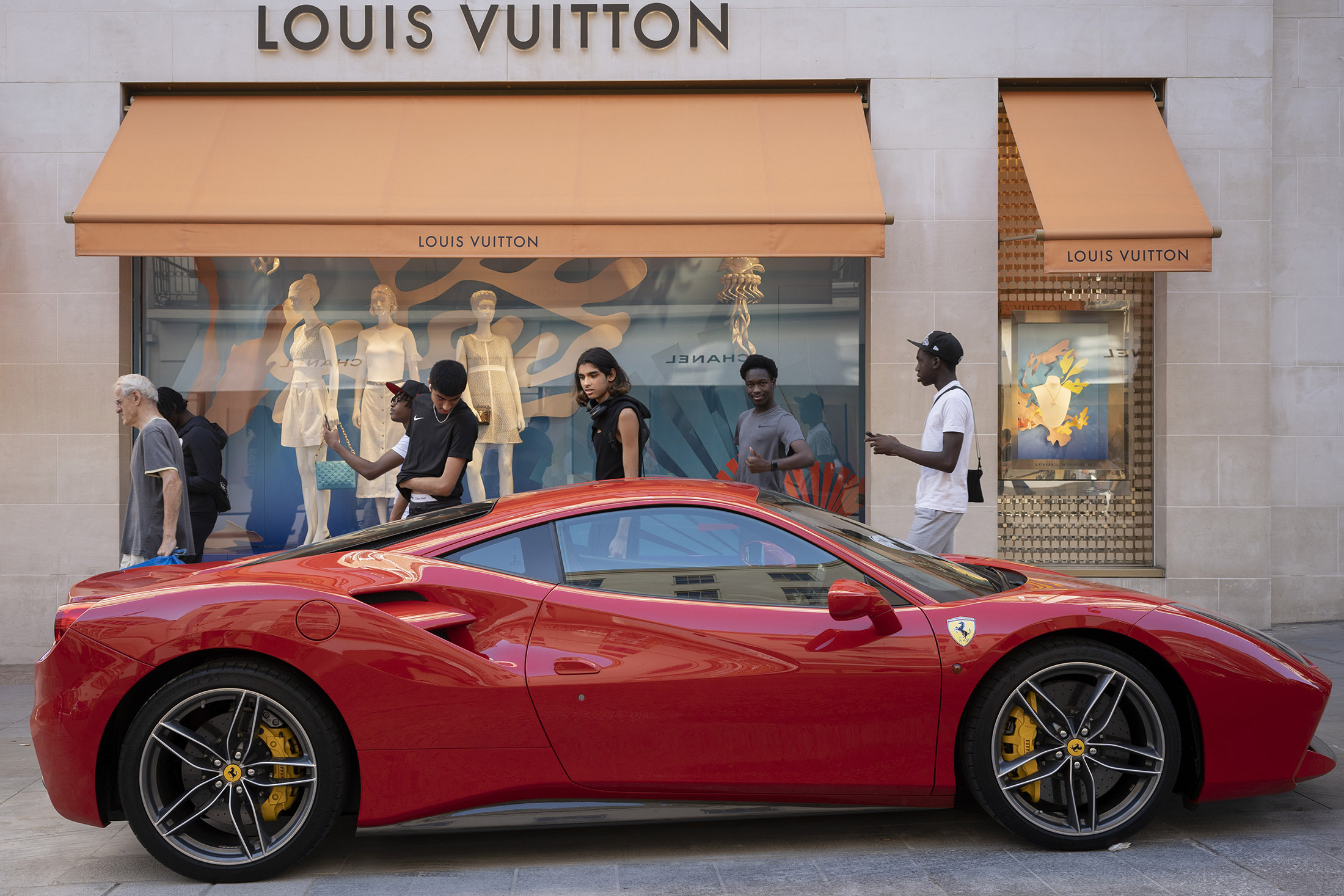
Luxury goods, with their aura of exclusivity and refinement, have long captivated the human imagination. From the sumptuous treasures of ancient empires to the sleek designs of modern haute couture, the allure of luxury transcends time and culture. In this comprehensive examination, we delve deep into the world of luxury goods, exploring their historical origins, contemporary manifestations, psychological appeal, craftsmanship, and the challenges and opportunities 명품레플리카 that lie ahead in an ever-evolving marketplace.
Origins and Evolution:
Luxury goods have a rich and storied history, dating back to the dawn of civilization. Ancient civilizations such as Egypt, Mesopotamia, and China prized precious metals, gemstones, and fine textiles as symbols of wealth and status. The Renaissance period saw a flourishing of luxury craftsmanship, with Italian city-states like Florence and Venice becoming centers of artistic innovation and patronage.
The Industrial Revolution brought about profound changes in the production and consumption of luxury goods, as mechanization and mass production made them more accessible to a wider audience. The 20th century witnessed the globalization of luxury, with iconic brands like Chanel, Louis Vuitton, and Rolex becoming synonymous with glamour and sophistication on a global scale.
The Psychology of Luxury Consumption:
The allure of luxury goods goes beyond mere materialism—it speaks to deep-seated psychological desires and aspirations. Luxury consumption is often driven by a desire for social status, self-expression, and the fulfillment of emotional needs. Research in psychology and consumer behavior has shown that luxury purchases can boost self-esteem, enhance social identity, and provide a sense of belonging to an exclusive group.
Craftsmanship and Innovation:
One of the defining characteristics of luxury goods is the unparalleled craftsmanship and attention to detail that goes into their creation. From hand-stitched leather handbags to precision-engineered timepieces, luxury brands pride themselves on the artistry and skill of their craftsmen and artisans. In recent years, technological innovation has also played a significant role in the luxury industry, allowing brands to push the boundaries of design and creativity.
Challenges and Opportunities:
Despite its enduring appeal, the luxury industry faces a number of challenges in the 21st century. Ethical concerns about labor practices, environmental sustainability, and the proliferation of counterfeit goods have put pressure on luxury brands to adopt more responsible business practices. At the same time, technological advancements and shifting consumer demographics present new opportunities for innovation and growth.
Conclusion:
In conclusion, luxury goods occupy a unique and complex space in the global marketplace, embodying a blend of tradition, innovation, and aspiration. From their ancient origins to their modern-day manifestations, luxury goods continue to captivate and inspire consumers around the world. As the industry evolves to meet the challenges of the future, one thing remains certain: the allure of luxury will continue to endure, shaping the way we define and experience beauty, elegance, and refinement.
 John
John  Baniza