
While Ozempic (semaglutide) has gained recognition as an effective treatment for type 2 diabetes, its benefits extend beyond managing blood sugar levels. Research demonstrates Ozempic has a significant have an effect on heart health and fat burning, making it a very important tool if you are not only dealing with diabetes but also those at risk from cardiovascular disease and obesity-related complications. In this blog, we will explore the larger benefits of Ozempic, focusing on its role in improving heart health and promoting sustainable weight loss.
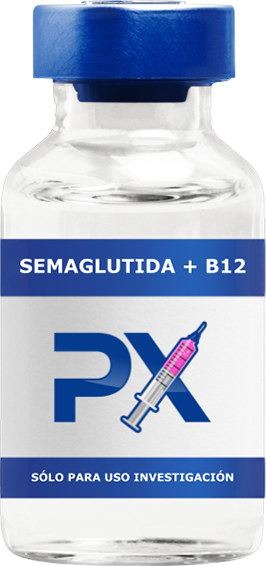
What is Ozempic?
Ozempic is a once-weekly injectable medication on the class of drugs known as GLP-1 receptor agonists. These drugs mirror the action of glucagon-like peptide-1 (GLP-1), a naturally occurring hormone chemistry that plays an essential role in managing Ozempic semaglutida en colombia blood glucose, appetite, and digestion of food. Initially developed to treat type 2 diabetes, Ozempic prepares food by stimulating insulin production, reducing glucagon secretion, and halting the emptying of food from the stomach. However, its unique properties have demonstrated additional benefits that go beyond diabetes management.
GLP-1 and its Systemic Effects
GLP-1 is not only involved in managing blood glucose but also has multiple effects throughout the body, including reducing inflammation, improving blood vessel function, and supporting heart health. By mimicking what of GLP-1, Ozempic harnesses these larger benefits, making it a versatile medication with far-reaching health significance.
How Ozempic Supports Heart Health
Cardiovascular disease is a leading cause of death among of those with diabetes and obesity. In recent years, there is an established interest in medications that can not only manage blood glucose but also reduce the risk of heart disease. Ozempic has emerged together such medication, with studies showcasing its potential to less the risk of major cardiovascular events.
Reducing Cardiovascular Risks
One of the most significant findings related to Ozempic is its capacity reduce the risk of heart attacks, strokes, and other cardiovascular events in people with type 2 diabetes. In the SUSTAIN-6 clinical trial, Ozempic was shown to lower the risk of major adverse cardiovascular events (MACE) by up to 26% in patients with type 2 diabetes who were at riskly for heart disease. This makes it an attractive option if you are seeking to protect their heart while managing diabetes.
Lowering Blood Pressure and Cholesterol
Ozempic also positively affects other cardiovascular risk factors, such as blood pressure and cholesterol levels. By promoting weight loss and improving metabolic health, Ozempic can help lower blood pressure, which will reduces the stress on the heart and blood vessels. Additionally, some studies declare that Ozempic may improve lipid profiles, specifically by lowering LDL cholesterol (the “bad” cholesterol), further supporting heart health.
Anti-Inflammatory and Protective Effects on Blood vessels
Another way Ozempic benefits the heart is through its anti-inflammatory effects. Chronic inflammation is a contributing factor to cardiovascular disease, and by reducing inflammation, Ozempic helps protect blood vessels from damage. Improved blood vessel function has been observed in patients taking Ozempic, which can contribute to a lower life expectancy risk of plaque swelling, a major cause of heart attacks and strokes.
Ozempic’s Role in Fat burning
Beyond its have an effect on heart health, Ozempic has garnered attention for its powerful effects on weight loss. In fact, Ozempic has proven so effective to advertise fat burning that it is now also prescribed off-label for people without diabetes but who are struggling with obesity. The medication helps patients achieve as well as significant weight loss, which can have numerous health benefits.
Appetite Suppression and Reduced Caloric intake
One of the key accessories whereby Ozempic promotes weight loss is by quelling appetite. It affects areas of mental performance responsible for managing hunger, helping individuals feel full quicker and for longer periods after meals. By reducing appetite, Ozempic enables patients to naturally decrease their calories, making it easier to adhere to a healthier diet and lose weight over time.
Slowed Gastric Emptying for Enhanced Satiety
Ozempic also slows the process of gastric emptying, e . g food stays in the stomach longer, prolonging the impression of fullness. This effect is very beneficial for weight management, as it helps prevent overeating and reduces it is likely that consuming unnecessary calories. Many patients report that they feel happy about smaller portions, which facilitates sustainable weight loss.
Medically Significant Weight loss
Clinical demos have shown that Ozempic leads to substantial weight loss in of those with and without diabetes. In the STEP demos, which looked at the effectiveness of semaglutide for weight management, patients who took Ozempic experienced an average weight loss of 15% to 18% of their weight over a year. This level of weight loss can have a deep have an effect on general health, reducing the risk of obesity-related conditions such as hypertension, sleep apnea, and joint problems.
The Synergistic Benefits of Blood glucose Control, Weight loss, and Heart Health
The combined effects of Ozempic on blood glucose control, weight loss, and heart health create a powerful synergy that benefits of those with type 2 diabetes and those struggling with obesity. By improving insulin level of sensitivity and lowering blood glucose levels, Ozempic helps reduce the need for additional diabetes medications while lessening the risk of long-term complications.
At the same time, weight loss and cardiovascular protection significantly enhance patients’ general health and well-being. Losing weight not only improves physical mobility and energy levels but also decreases the risk of developing serious health conditions, including non-alcoholic oily liver organ disease (NAFLD), certain cancers, and metabolic symptoms.
Additional Benefits of Ozempic Beyond Diabetes
While Ozempic is most commonly associated with diabetes and weight management, its broad range of health benefits continues to be explored. As more research is conducted, Ozempic may show to be a versatile treatment for a variety of metabolic and cardiovascular conditions.
Some additional potential benefits include:
Improved kidney function: Some evidence suggests that Ozempic may have protective effects on the kidneys, reducing the further advancement of diabetic kidney disease.
Reduced risk of oily liver organ: Weight loss and improved metabolic health can decrease the amount of fat in the liver organ, potentially reducing the risk of non-alcoholic oily liver organ disease (NAFLD).
Mental health benefits: Weight loss and improved blood glucose control may contribute to better mental health outcomes, as managing chronic conditions can alleviate stress, anxiety, and depression.
Side effects and Considerations
As with any medication, it is important to be aware of the potential side effects of Ozempic. The most common side effects include nausea, nausea, diarrhea, and constipation, particularly when first starting the medication. These side effects typically diminish over time as the body manages to the treatment.
In rare cases, Ozempic has been associated with more serious side effects, such as pancreatitis or thyroid cancers. It is important to discuss any concerns or pre-existing conditions with a healthcare provider before starting Ozempic.
Conclusion: Ozempic’s Versatile Benefits
Ozempic’s impact provides far beyond blood glucose control. With its proven benefits for heart health, fat burning, and overall metabolic health, Ozempic is emerging as a comprehensive solution if you are with type 2 diabetes, obesity, and those at risk from cardiovascular disease. Its capacity lower blood pressure, reduce cholesterol levels, and promote significant weight loss makes it a very important tool for improving long-term health outcomes.