
Introduction
I remember sitting in a small clinic in Nairobi watching a physiotherapist switch on a panel of warm red LEDs while a patient relaxed on a flat table — the scene was quiet, purposeful. In that moment I wondered how the best red light therapy bed could change everyday recovery for people here and beyond (a simple lamp, huge potential). Recent market data suggests more clinics and spas are adding full-body phototherapy units; sales climbed by double digits in several regions last year and demand for higher irradiance and controlled wavelength grew sharply. So, if whole-body systems are becoming common, why do many users still report mixed results — and what should one really look for when choosing a unit? This piece will explore those questions and lead into the technical issues beneath the surface.
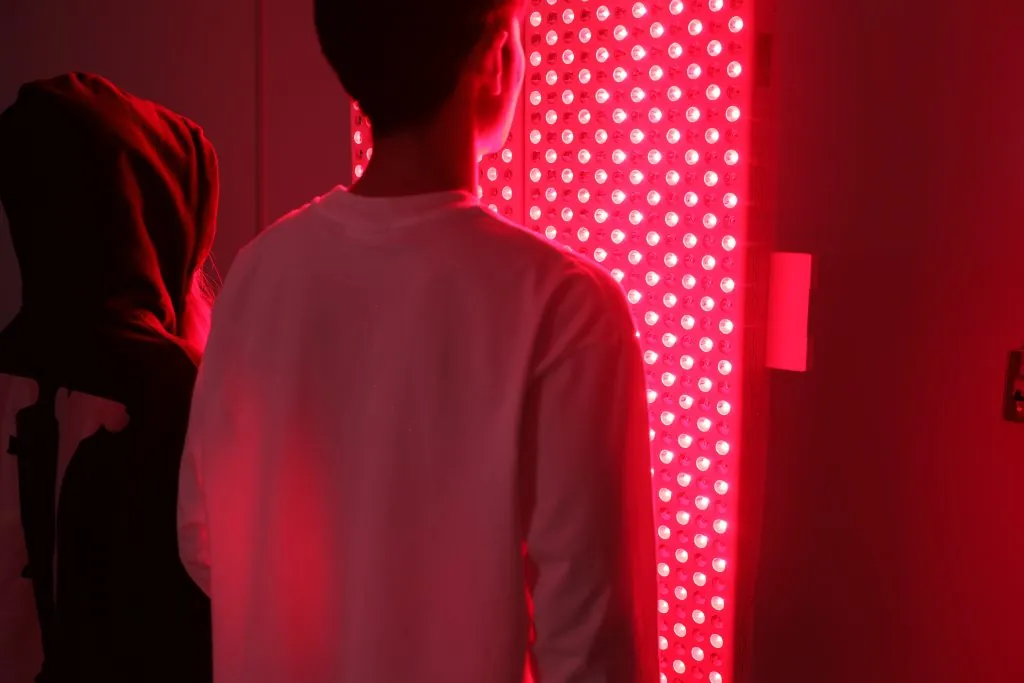
Part 2 — Deeper Layer: Flaws in Traditional Solutions and Hidden User Pain Points
red light therapy for whole body is often sold as a single fix for recovery and skin health, but the reality is messier. I’ve seen devices with uneven LED spectrum output, low irradiance, and poor thermal design — all of which reduce effectiveness. In clinics I visit, people complain about long session times that yield little change, or heating that becomes uncomfortable. These are symptoms of design gaps: inconsistent wavelength control, weak power converters, and insufficient dosing guidance. Look, it’s simpler than you think when you break it down into three parts: source quality, dose management, and user experience. — funny how that works, right?
What goes wrong for users?
From a technical standpoint, many manufacturers trade off irradiance for affordability. That leads to longer sessions and uncertain results. Patients expect measurable improvement in pain or skin tone, but they instead get small, slow changes. I’ve also noticed that service staff often lack clear protocols for session duration and spacing. The lack of standards — on wavelength bands, LED types, and dose reporting — means the same term, “full-body treatment,” can mean very different things from one unit to another. Photobiomodulation depends on correct wavelength and dose. If those are off, outcomes are unpredictable. We need clarity in specs and honesty in expected results.
Part 3 — Forward-Looking: New Principles and Practical Metrics
Moving forward, I see two clear paths: better engineering principles and smarter protocols. The engineering side fixes source uniformity, adds feedback on irradiance, and uses stable power converters to keep output steady. Protocol-wise, we must adopt clear dose metrics and session plans. When devices implement closed-loop feedback for output — that is, measuring actual surface irradiance and adjusting power — users get consistent results. That is a small change that makes a big difference. I’m optimistic; manufacturers are listening. — and honestly, that surprised me.
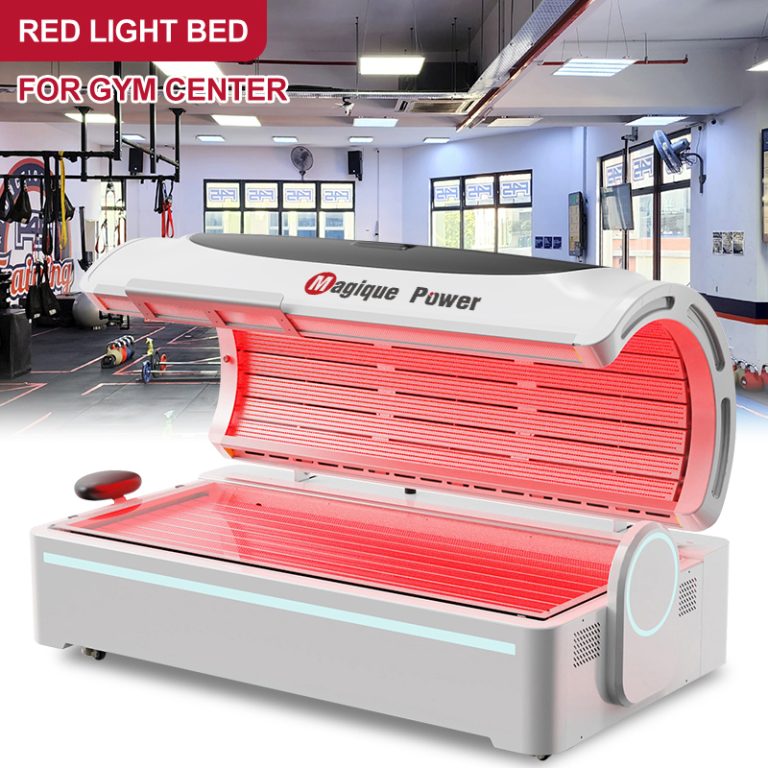
What’s Next: practical outlook
Practically, clinics should test units against three metrics before purchase: true irradiance at treatment surface, consistency of LED spectrum across the panel, and built-in safety/thermal management. I recommend trial sessions with objective measurement tools (a radiometer, for example) and comparing outcomes over a standard course. Also, consider models that permit firmware updates so protocols improve over time. For those who want the full experience, red light therapy for whole body systems that report dosage and wavelength clearly tend to produce the most repeatable results.
To wrap up with practical advice: evaluate any full-body unit by these three key metrics — irradiance (mW/cm²) measured at the surface, wavelength accuracy (how close are the LEDs to claimed nm values), and dose control (ability to set and log Joules/cm²). I believe those measures separate marketing from real performance. When I recommend systems to colleagues, these are the checks I insist on. For reliable professional-grade solutions, I also look at serviceability and the vendor’s willingness to share test data. In the end, better specifications translate to better patient outcomes. For a dependable partner in this space, consider tools and teams that focus on engineering clarity — for example, see Magique Power.